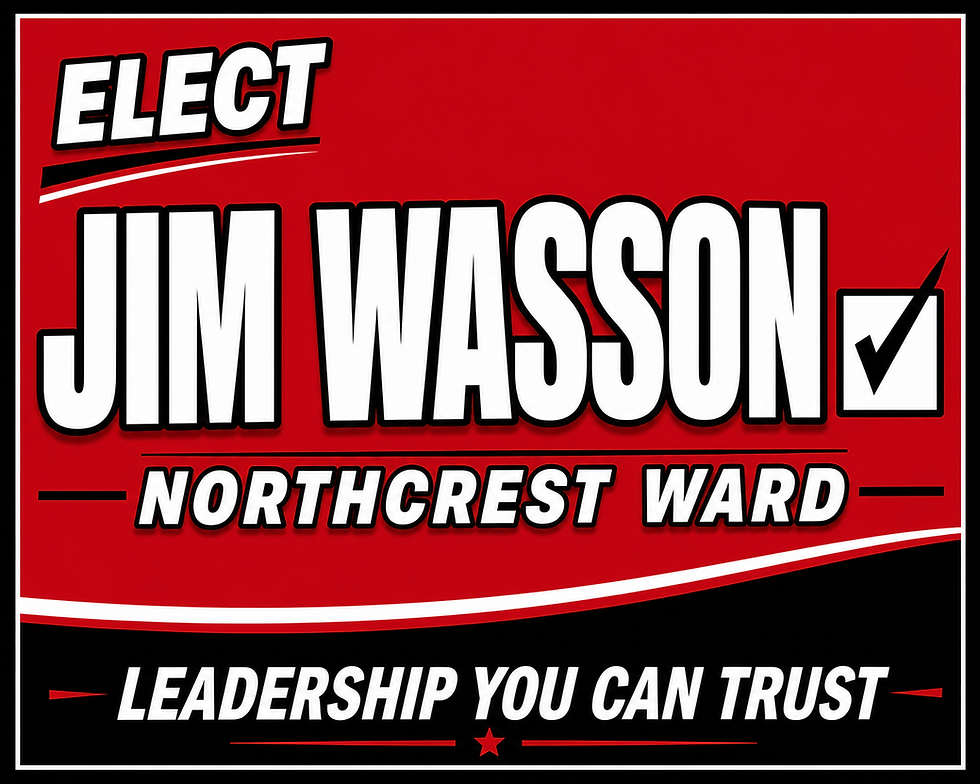
News Articles
Carnegie Hall:
1. What is your position on using the Carnegie Fire Hall as a shelter this winter
and in the future?
I am aware of the proposed shelter at the former fire hall on Carnegie Avenue has become one of the defining issues in the 2026 Peterborough municipal election. Council approved a six-month seasonal winter shelter (November through April) at 161 Carnegie Avenue after reversing an earlier decision to delay the matter until after the election. The shelter is intended to provide at least 30 additional overnight beds during the winter months. In running for council, I am 100% opposed to using this location as a permanent shelter location and would work diligently to find a much more suitable location that would better suit the needs of those needing the shelter.
2. What is your plan for addressing homelessness while ensuring shelter locations
are appropriate for both those in need and the surrounding community?
My concern would be distance from essential services. Many people using emergency shelters also rely on nearby services such as: meal programs, health care, mental health and addiction support, social assistance offices, outreach workers and pharmacies. If the Carnegie Shelter is implemented, shelter residents may face longer walks or transportation barriers, particularly in winter weather. The shelter is intended for the coldest months of the year. If users must regularly travel significant distances in snow, ice, or extreme cold to access services, it may reduce the effectiveness of the shelter. The transportation cost to have the individuals transported in need of the shelter is astronomically high. Money that could be save and used elsewhere.
Residents of Northcrest near the proposed site have expressed concerns about increased foot traffic, public safety, discarded needles or litter, pressure on nearby parks and public spaces. Whether these concerns materialize depends heavily on how the shelter is managed. Well-managed shelters often include security, outreach staff, and neighbourhood liaison committees to address these issues.
Successful shelters depend on community trust. If residents feel they were not adequately consulted, opposition can make implementation more difficult regardless of the quality of the shelter itself.
3. If elected, how will you represent the views and concerns of your Northcrest
constituents on the Carnegie Fire Hall Shelter specifically?
Northcrest residents deserve to feel safe in their homes, parks, businesses and public spaces. At the same time, people experiencing homelessness deserve humane treatment and a genuine path toward stable housing, health care and recovery. These goals are not opposites. A responsible municipal strategy must provide help for people who need it while establishing clear expectations for behaviour in our neighbourhoods.
My Commitment
As Councillor for Northcrest, I will support a Homelessness and Public Safety Strategy for a safe Northcrest based on four principles: Help people in crisis. Protect neighbourhoods. Enforce reasonable rules. Demand measurable results.
A Properly Planned Winter Shelter
Peterborough needs reliable winter shelter capacity so people are not left outdoors during dangerous weather. However, emergency shelter decisions must not be rushed or made without considering neighbourhood safety, transportation, staffing and access to support services.
Before approving any shelter location, I would request a complete site suitability and safety assessment. Meaningful consultation with nearby residents, businesses and community organizations. A professional operating and security plan. Adequately trained staff during all operating hours. Clear rules governing drugs, violence, weapons, theft, harassment and property damage. Daily cleanup of the property and surrounding area. A public complaints and response process. Regular reports to Council and the community. A temporary shelter must never be treated as a warehouse for vulnerable people. It must be connected to services that help individuals move toward permanent housing.
Protecting Northcrest Neighbourhoods
Residents should not have to tolerate threatening behaviour, discarded needles, vandalism, trespassing, theft, illegal dumping or open-air drug use.
I would advocate for:
More visible community policing and problem-oriented patrols in the north end.
Faster responses to recurring neighbourhood safety concerns. Coordinated patrols involving police, bylaw officers, outreach workers and mental-health professionals. Improved lighting and sightlines in parks, trails, parking areas and other identified problem locations. Prompt collection of needles and hazardous waste. A straightforward reporting system that allows residents to track the response to complaints. Consistent enforcement of laws and bylaws involving violence, property crime, threatening conduct, public drug use and damage to public spaces. Homelessness itself is not a crime. Harmful or illegal behaviour must still be addressed consistently, regardless of who commits it.
No neighbourhood should be selected simply because a city-owned building is available. Proposed shelter sites should be evaluated using transparent criteria, including: Distance from schools, playgrounds and sensitive residential locations. Access to transit, health care, food and social services. Adequate washrooms, ventilation, fire safety and accessibility. Space for supervised entry, security and outdoor activity. Ability to recruit and retain qualified staff. Availability of better alternative locations.
For any proposal involving the former fire station on Carnegie Avenue, I will insist that Council publicly release the site assessment, operating plan, security plan, transportation plan, estimated costs and neighbourhood-impact measures before making a final decision. What is the long-term plan beyond a seasonal winter shelter? This is a key question. What would be the long-term use of the facility if it is not to be used as a shelter.
Kawartha Now - Bethan Bates 07/25/26
Why have you chosen to run for ward councillor?
I was approached by several members of the community and specifically a number of constituents from the Northcrest Ward if I would consider running for councillor. After careful consideration I decided to run for Northcrest Ward because I believe residents deserve a councillor who listens first, represents the community with integrity and puts neighbourhood concerns ahead of politics.
What is the biggest challenge in your ward?
I have heard from many Northcrest residents who are concerned about such issues as homelessness and public safety, responsible growth, infrastructure, traffic, fiscal responsibility and ensuring that residents have a stronger voice in decisions that affect their neighbourhood. I believe these concerns deserve thoughtful practical solutions and open discussion at City Hall.
What makes you a unique candidate for councillor?
My commitment is to be accessible, transparent and accountable. I will work hard to ensure residents know their concerns are being heard and their voices are represented around the council table. I am running because I care about Northcrest. I believe our ward can be even stronger, and I want to help build a safe, vibrant, and financially responsible future for anyone who calls Northcrest home.
Key Election Issues
1. How should Peterborough approach economic development strategies and
opportunities?
This is a bit of a complex question with no one direction that fits all. Having said that Peterborough should be “Open for Business”. A successful strategy should focus on creating good jobs, expanding the tax base and ensuring growth benefits all neighbourhoods, including Northcrest Ward. That would include supporting existing businesses, attracting new investment, building a skilled work force, revitalize commercial area, investing in infrastructure, and promoting tourism. All this which would help in tackling the unemployment rate for the area.
2. What is your position on housing intensification both in established neighbourhoods
and city wide?
I believe in a balanced approach to growth. Peterborough needs more housing to meet the needs of seniors, young families, students, and workers. However, growth should be planned carefully so it enhances our neighbourhoods rather than diminishes them. My priorities would be to protect established neighbourhood character by ensuring new developments fit the scale and design of surrounding homes. Improve infrastructure first. Roads, sidewalks, parks, sewers, water systems, schools, and transit should keep pace with new development.
Promote affordable and attainable housing through partnerships with developers, non-profit organizations, and senior levels of government. Preserve green spaces and mature trees whenever possible while identifying suitable areas for increased density. Ensure meaningful public consultation so residents have a genuine opportunity to influence developments in their neighbourhoods. Peterborough needs more homes, but we also need smart planning. Growth should strengthen our neighbourhood, not overwhelm them. I support responsible housing intensification that protects our established communities, improves infrastructure, and ensures every new development contributes positively to our city’s future.
3. Explain your priorities for transportation and active transportation.
Transportation for the city generally focuses on improving mobility while accommodating future growth. The key transportation and active transportation priorities for Peterborough would be to maintain and improve roads, reduce traffic congestion, and improve public transportation with a focus on service reliability and that would improve connections between neighbourhoods.
Active transportation includes walking, cycling, and other forms of human powered travel. That would include expanding cycling infrastructure, safer sidewalks, improving trail connections with better connections through neighbourhoods. Design transportation systems that work for everyone.
4. Explain your understanding of and position on the role of ward councillors as
neighbourhood advocates versus city-wide representatives.
As ward councillors the number one goal is to listen to constituents and bring their concerns to Council. Council members then collaborate to make decisions that will benefit the community as a whole.
A ward councillor has two equally important responsibilities: to be a strong advocate for the residents of their ward and to make decisions in the best interests of Peterborough as a whole.
As a Northcrest councillor, I would make it a priority to be accessible and responsive to residents. People should know that when they raise concerns about traffic, road safety, development, property taxes, parks, infrastructure or neighbourhood safety, they have a councillor who will listen, investigate the issue and bring their concerns to City Hall.
However, being elected by one ward does not mean representing only that ward. Every vote at Council affects taxpayers and residents throughout Peterborough. Decisions involving the municipal budget, economic development, housing, homelessness, policing, transit, infrastructure and major capital projects require councillors to consider their impact on the entire city.
There will inevitably be occasions when the interests of a neighbourhood and the broader interests of Peterborough do not perfectly align. In those situations, I believe a councillor has a responsibility to listen carefully, examine the facts, explain the alternatives openly and make the decision that provides the greatest long-term benefit while minimizing negative impacts on affected neighbourhoods.
I would advocate strongly for Northcrest, but govern responsibly for all of Peterborough.
Residents elect a ward councillor to give their neighbourhood a strong voice at City Hall, but they also elect that councillor to help lead the city. I believe you can—and should—do both.
5. What are your financial priorities and how will you balance funding needs across city services?
Economic growth is easier when municipalities manage their finances while growing the commercial and industrial tax base to reduce pressure on residential taxpayers. My financial priorities would focus on keeping Peterborough affordable, protecting essential services, strengthening our tax base, and making sure taxpayers receive value for every dollar spent.
I believe the City needs to balance its funding needs by first protecting the services residents rely on every day—roads and infrastructure, police and fire protection, transit, recreation, libraries, waste collection, and other core municipal services. At the same time, Council must recognize that residents, particularly seniors and families on fixed or limited incomes, cannot continually absorb large property-tax increases.
That means taking a disciplined approach to the budget. I would support reviewing programs and major capital projects for affordability, necessity, measurable results, and long-term operating costs. We should look for efficiencies and better ways of delivering services before automatically turning to higher taxes or reducing frontline services.
A major priority for me would also be economic development and expanding Peterborough's commercial and industrial tax base. Residential taxpayers currently carry a significant burden. Attracting new employers, creating serviced employment land, supporting existing businesses, and encouraging responsible development can generate additional assessment and help distribute the cost of municipal services across a broader tax base. I would also aggressively pursue provincial and federal funding for major infrastructure, housing and growth-related projects so that Peterborough taxpayers are not expected to shoulder those costs alone.
There will always be competing demands for limited municipal dollars. My approach would be to ask four questions: Is it necessary? Is it affordable? Is it a municipal responsibility? And can we demonstrate that residents are receiving good value for their money?
My goal would be a Peterborough that continues to provide strong public services while remaining an affordable place to live, raise a family, operate a business and retire. As a Northcrest councillor, I would advocate for the needs of our ward while remembering that every budget decision must ultimately serve the long-term financial health of the entire city.
6. Are there any other issues you want to comment on?
Downtown Revitilization: Downtown Peterborough is the cultural and commercial heart of the city. A successful revitalization strategy should make it a place where people want to live, work, shop, dine, and visit while supporting businesses and addressing public safety concerns. A strong downtown benefits the entire city. We need to create a downtown that is safe, welcoming, economically vibrant, and financially sustainable. Many residents and businesses identify safety as a top concern. In addressing these issues, we can increase visible community safety initiatives, improve lighting in public spaces, address graffiti and litter promptly and work with community organizations to support people experiencing homelessness, addiction, and mental health challenges while maintaining safe public spaces. That means supporting local businesses, and working with community partners to address social challenges.